This page has affiliate links. If you book through them I may earn a small commission, at no extra cost to you.
This route takes you from Tokyo to the mountains and down to Kyoto and Osaka, all by train. In autumn you get maple colours in Kyoto, clear days for Mount Fuji and, with luck, the first snow on the thatched roofs of Shirakawa-go. Treat it as a starting point and adjust the nights to suit you.
Photos are my own, taken on an earlier autumn visit, and are for illustration. Check current opening hours, transport and prices before you go.
The route
| Days | Base | Nights | Getting there |
|---|---|---|---|
| 1 to 3 | Tokyo | 3 | Fly from Singapore to Haneda or Narita |
| 4 | Hakone | 1 | Odakyu Romancecar from Shinjuku, about 85 minutes |
| 5 to 6 | Takayama | 2 | Shinkansen to Nagoya, then the Hida limited express, about 4 hours in all |
| 7 to 9 | Kyoto | 3 | Hida limited express to Nagoya, then the Shinkansen, about 3.5 hours |
| 10 to 11 | Osaka | 2 | JR Special Rapid, about 30 minutes |
| 12 | Home | Fly from Kansai |
Fly into Tokyo and home from Osaka (Kansai) to avoid backtracking.
Tokyo (3 nights)
Days 1 to 3. Stay near a Yamanote Line station such as Shinjuku, Ueno or Tokyo Station. Mix the big sights (Asakusa and Senso-ji, Meiji Jingu, Shibuya) with slower neighbourhoods like Yanaka and Shimokitazawa for coffee and small shops. If the leaves have turned, Shinjuku Gyoen and the ginkgo avenue at Meiji Jingu Gaien are lovely in late November.
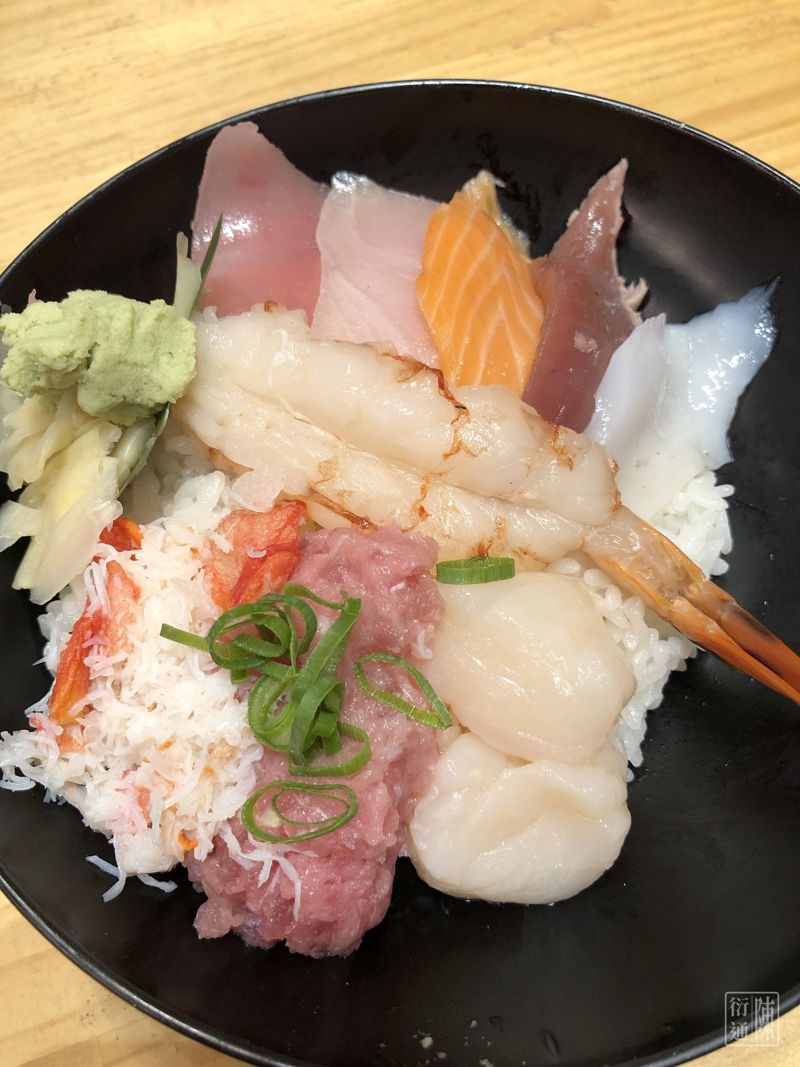
For breakfast one morning, go to Tsukiji Outer Market for a fresh seafood rice bowl (kaisendon).
Hakone and Mount Fuji (1 night)
Day 4. Take the Romancecar to Hakone-Yumoto and do the classic loop: mountain railway and cable car up, the ropeway over the steaming vents of Owakudani, then a boat across Lake Ashi. On a clear day Mount Fuji rises above the hills. Spend the night at a ryokan with an onsen.
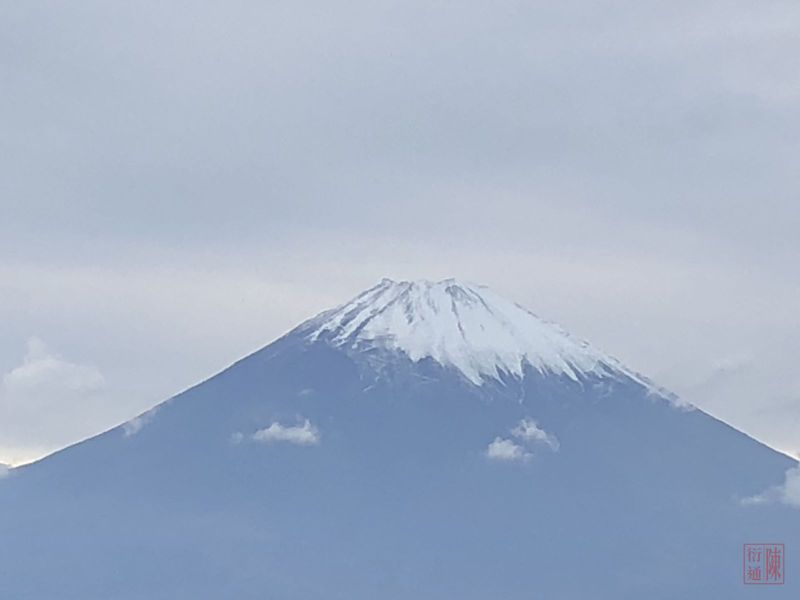
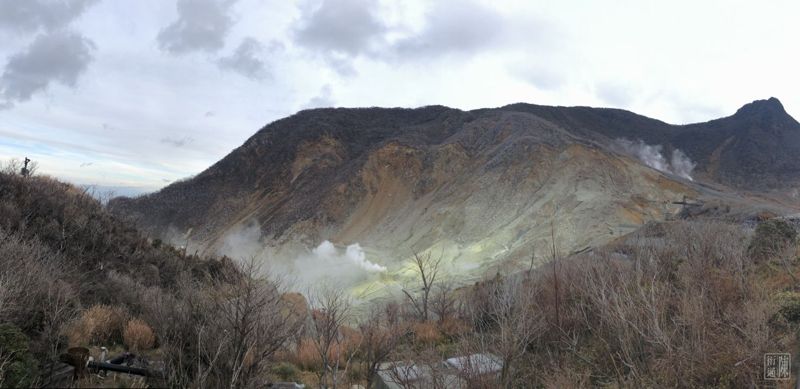
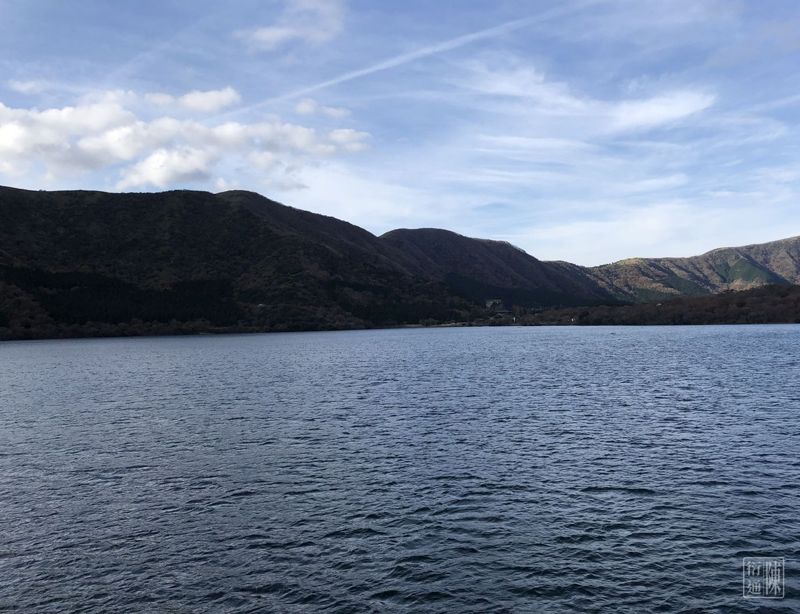
Photo: Jaimes Tan
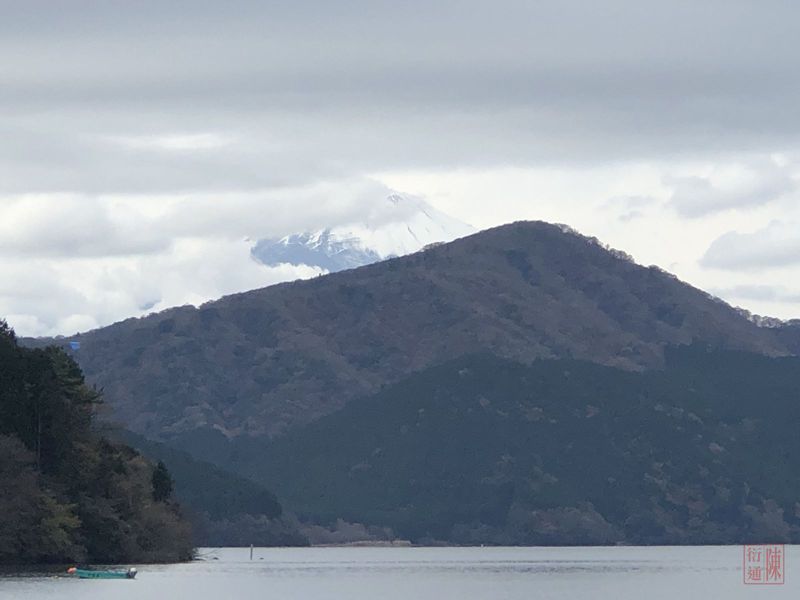
Mornings are usually clearer for Fuji views, so look out early before the clouds roll in.
Takayama and Shirakawa-go (2 nights)
Day 5. Travel via Nagoya to Takayama in the Hida mountains. Walk the old merchant streets of Sanmachi Suji in the late afternoon, when the day-trippers have gone.
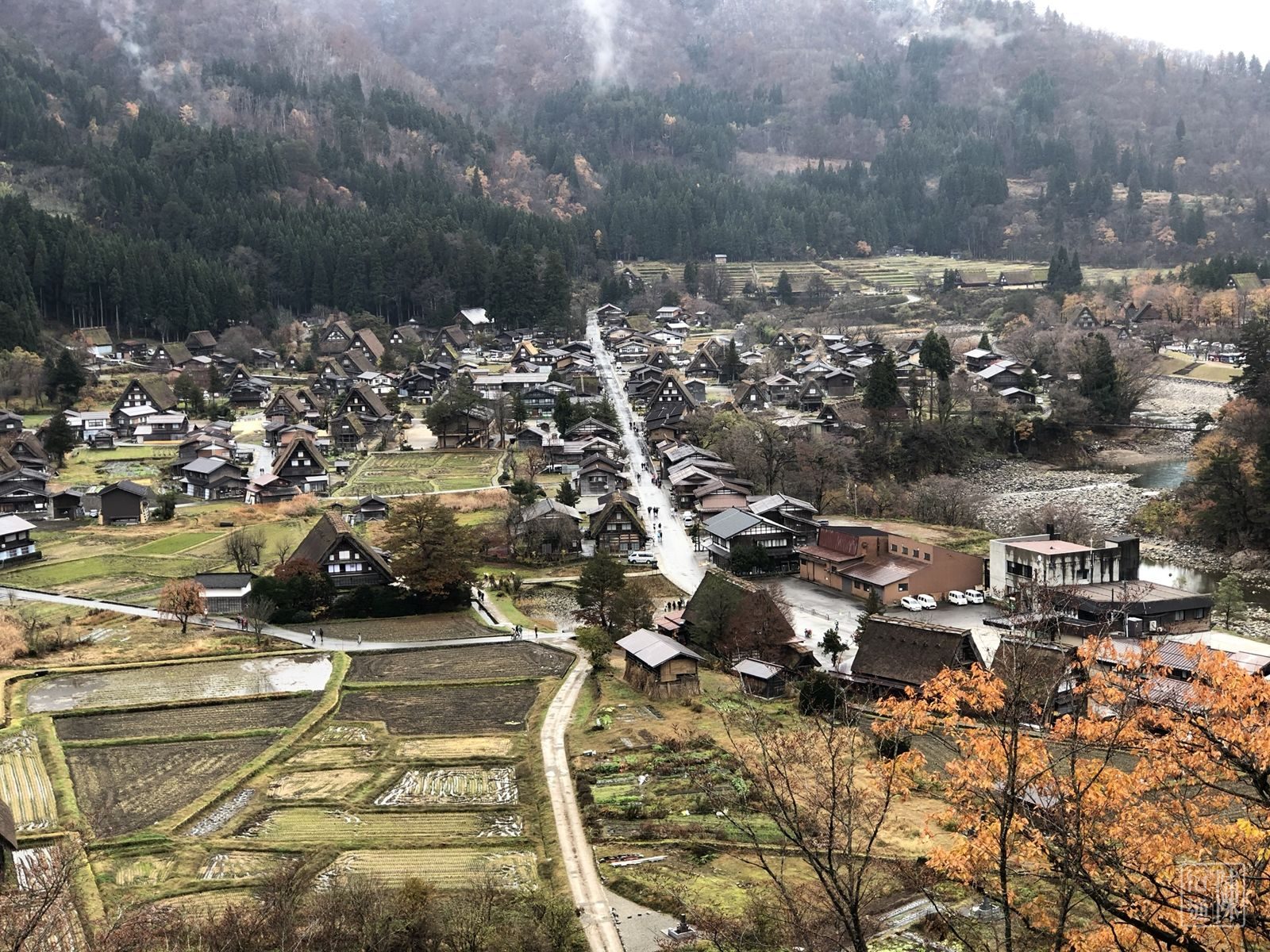
Day 6, Shirakawa-go. Take the Nohi bus to Shirakawa-go, a UNESCO-listed village of steep thatched gassho-zukuri farmhouses. Walk up to the Shiroyama viewpoint for the classic view over the village, then visit a farmhouse inside. Snow can arrive from mid-November.
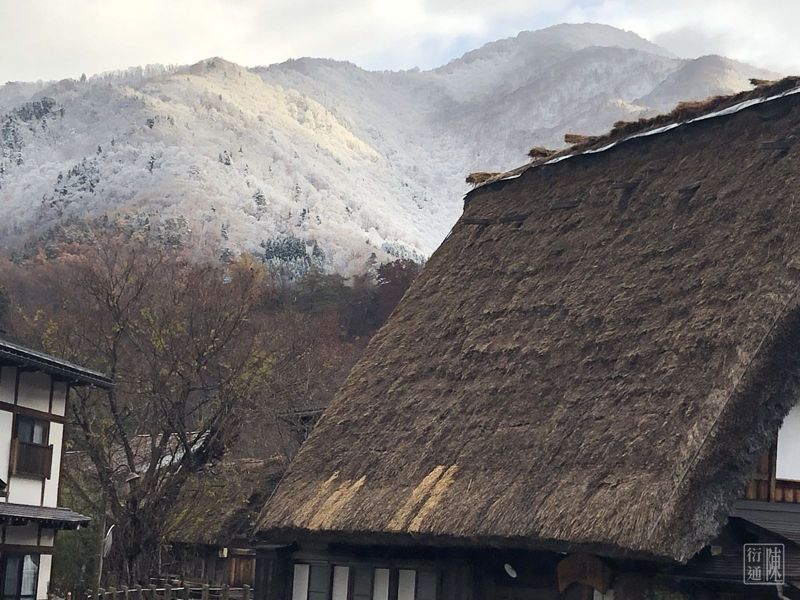
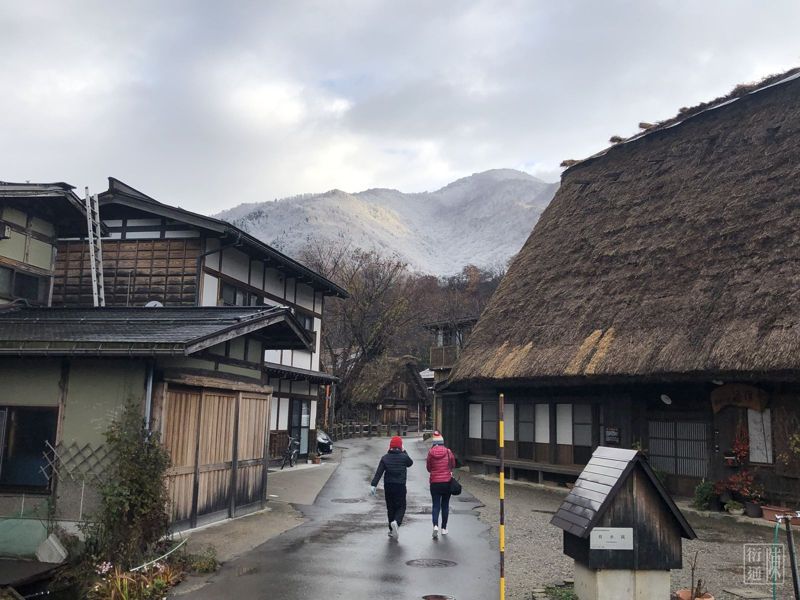
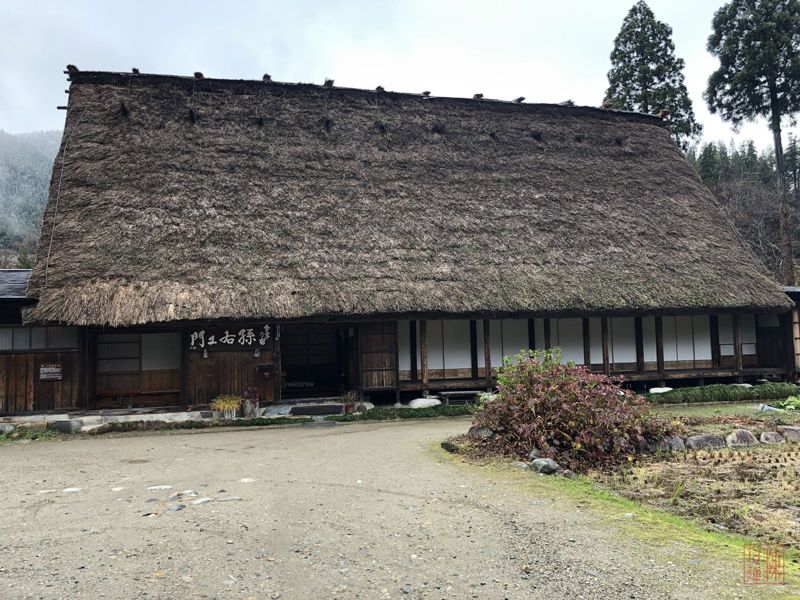
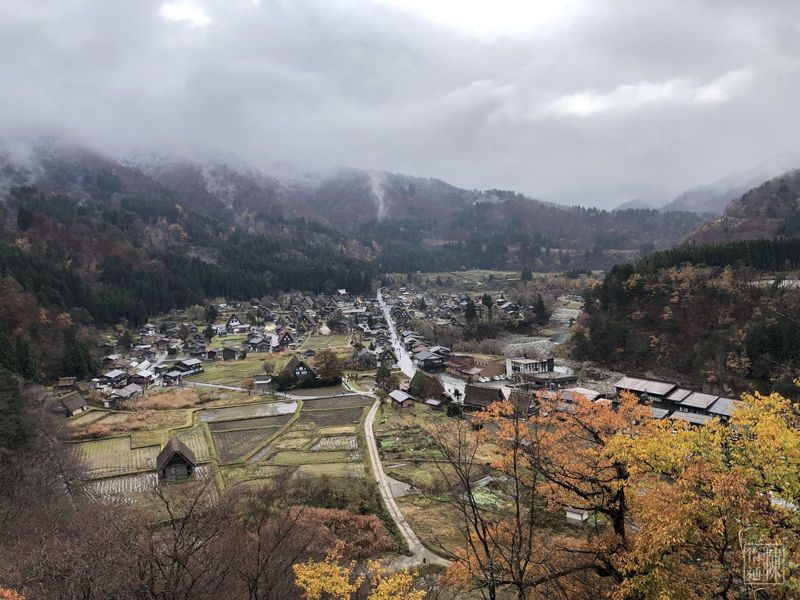
Photo: Jaimes Tan
Some of the farmhouses take overnight guests. A night in one includes dinner and a traditional breakfast, and you have the village to yourself after the day buses leave.
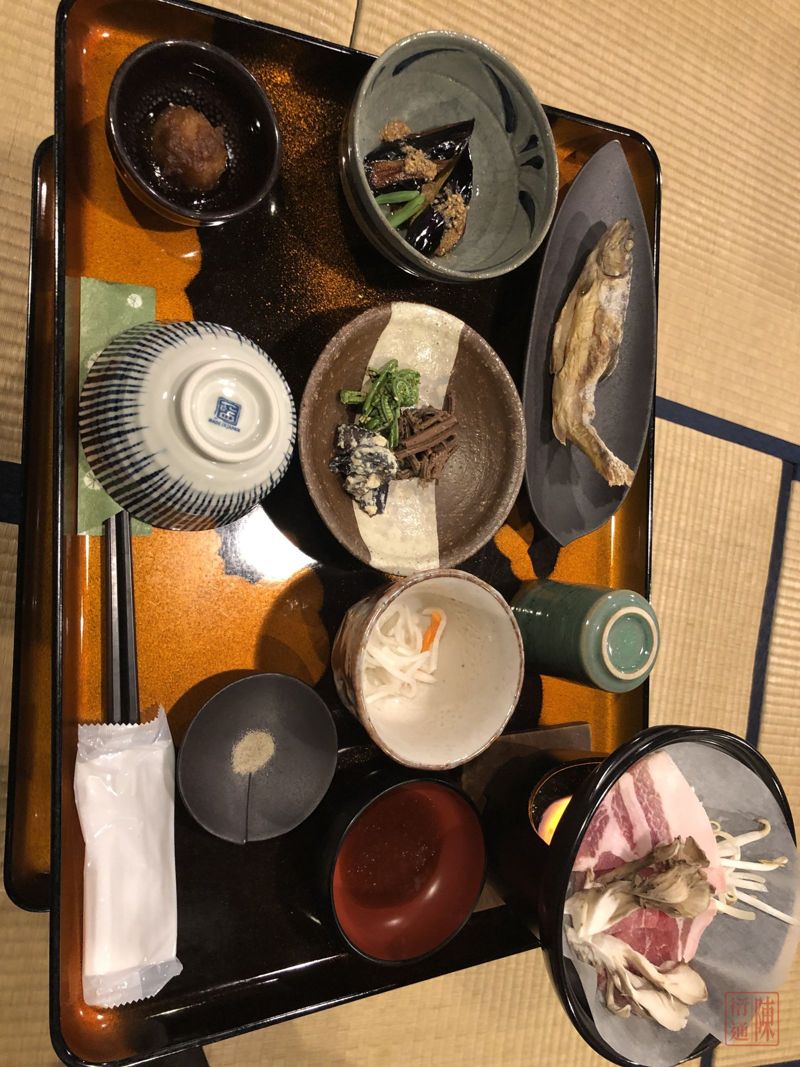
Book the Shirakawa-go bus ahead in autumn. Bring warm layers, as the mountains are much colder than the cities.
Kyoto (3 nights)
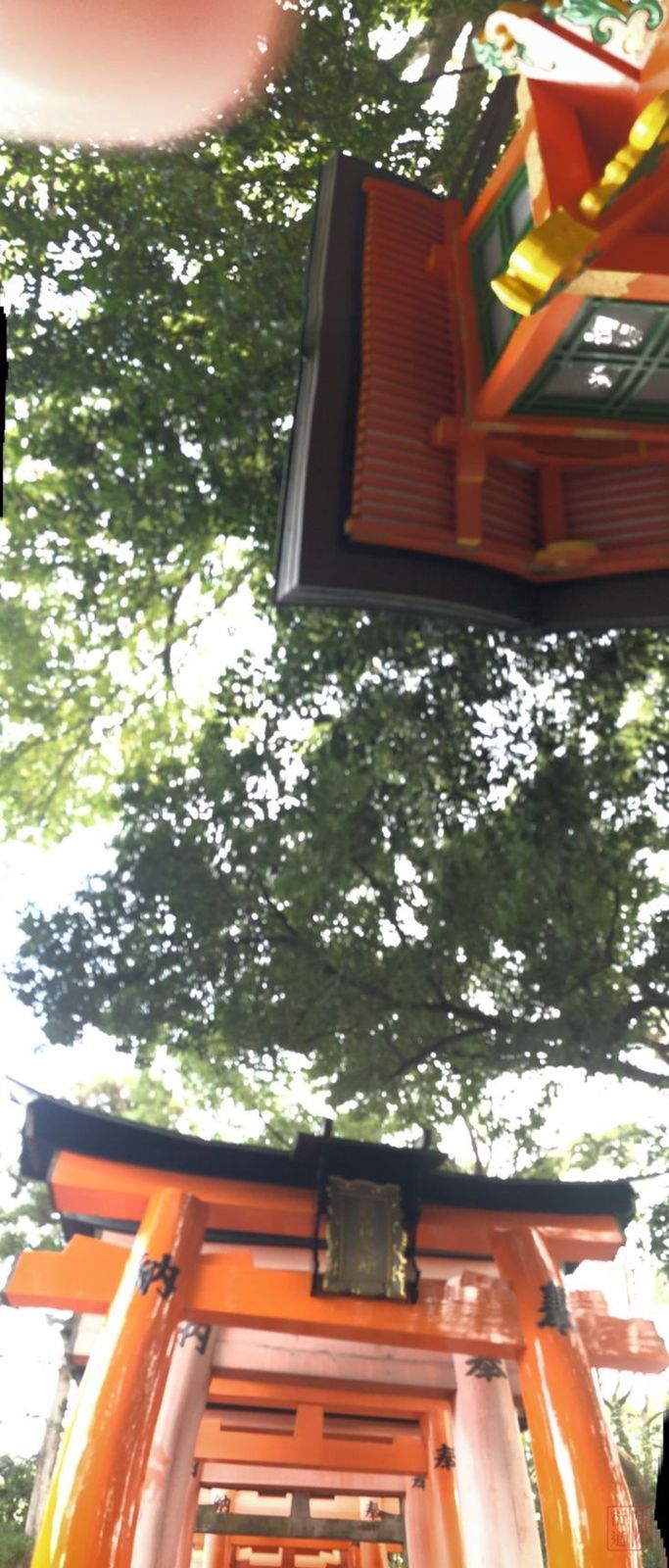
Day 7. Train to Kyoto via Nagoya. In the late afternoon, walk up through the thousands of orange torii gates at Fushimi Inari Taisha. The shrine is open all day and free, and the crowds thin out as you climb towards the top of Mount Inari.
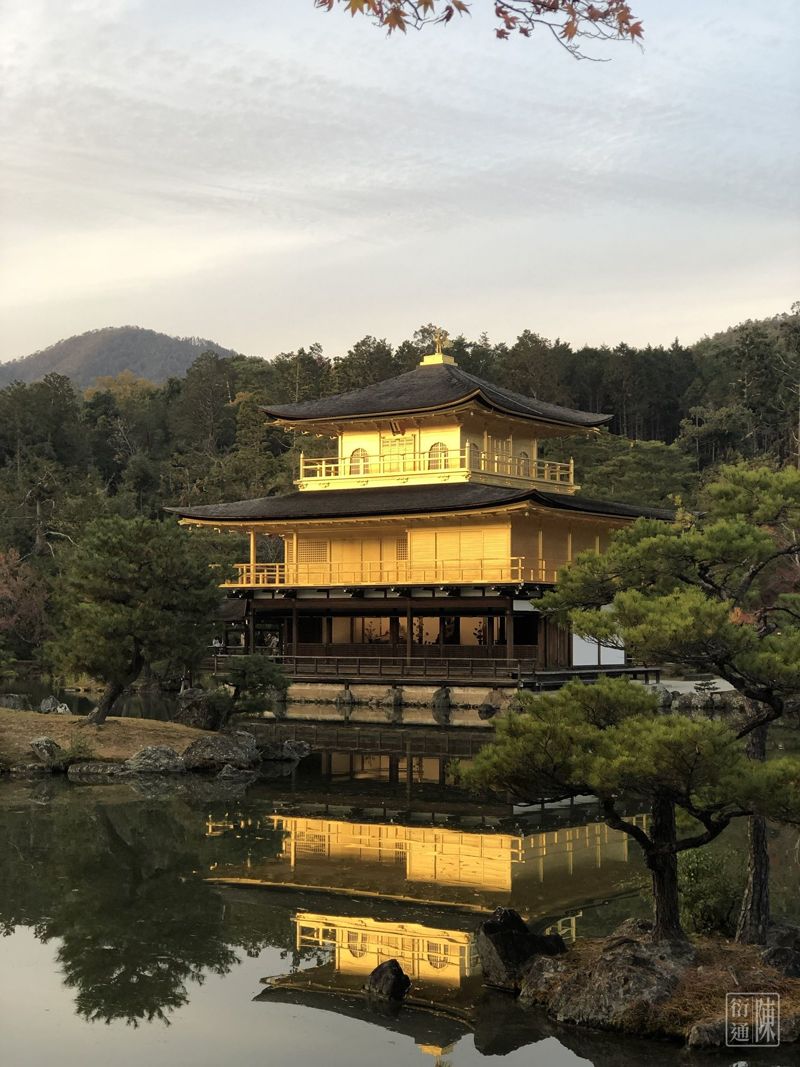
Day 8. Start at Kinkaku-ji, the Golden Pavilion, mirrored in its pond. Arrive at opening time for the calmest view. In the afternoon, visit Nijo Castle, the shogun's palace with its painted rooms and "nightingale" floors that squeak to warn of intruders.
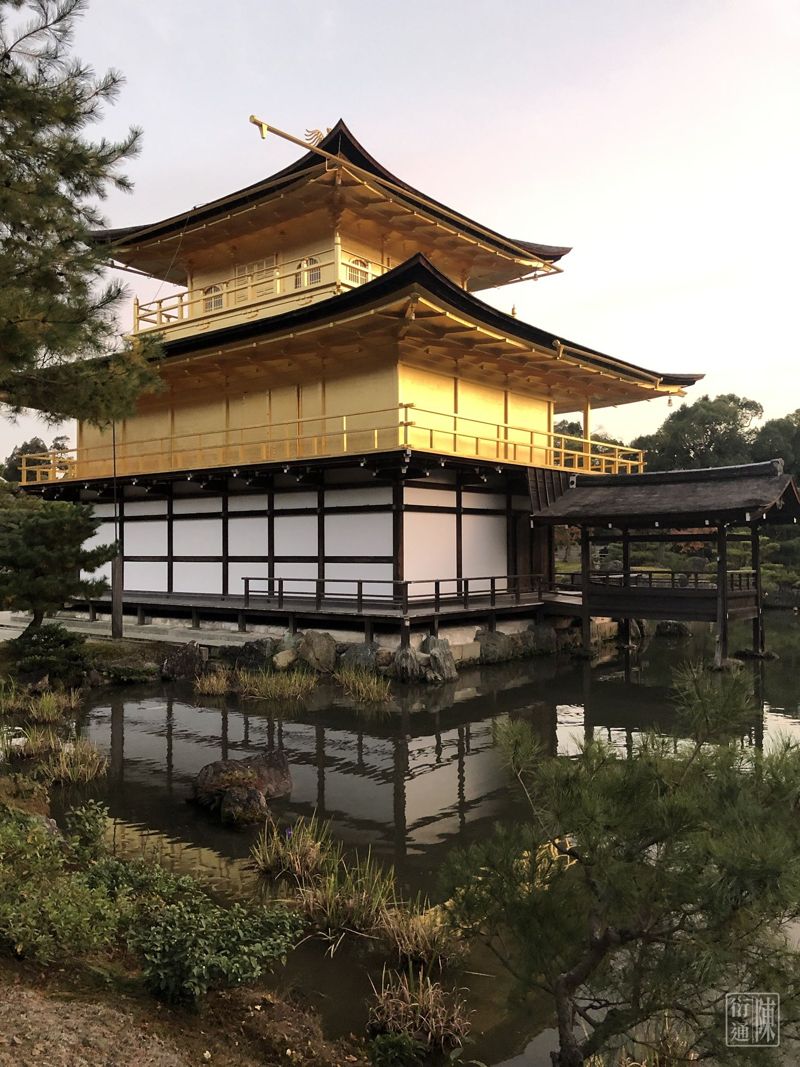
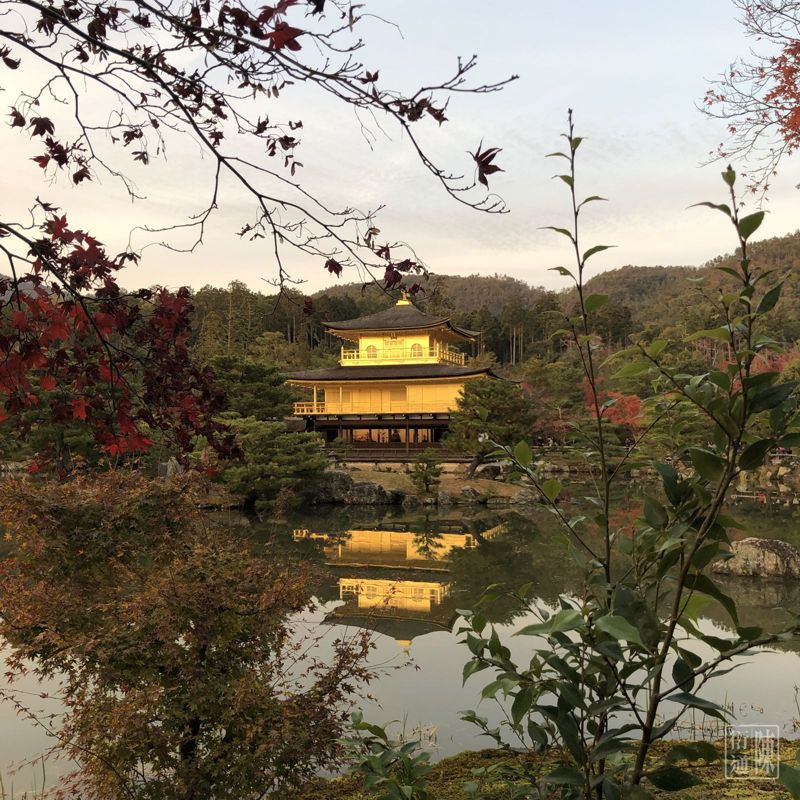
Photo: Jaimes Tan
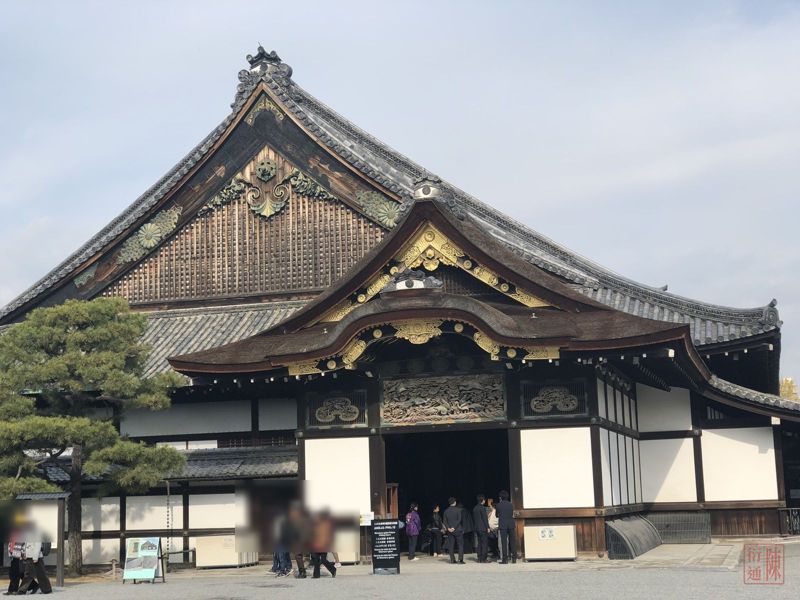
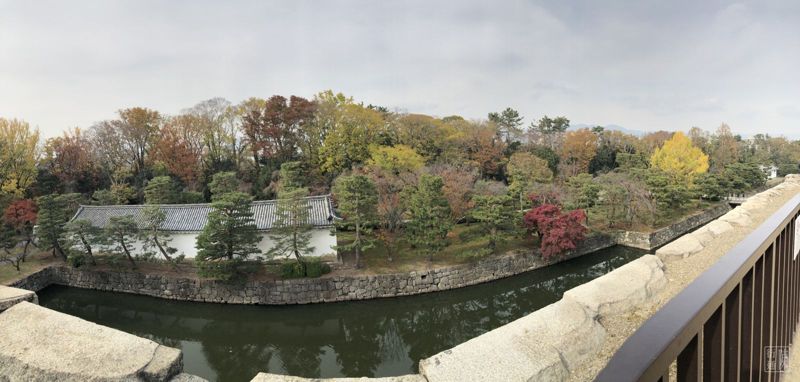
Photo: Jaimes Tan
Day 9. Walk the Higashiyama area from Kiyomizu-dera down to Gion, or head west to Arashiyama for the bamboo grove and the river. Stop at Tō-ji to see Japan's tallest wooden pagoda.
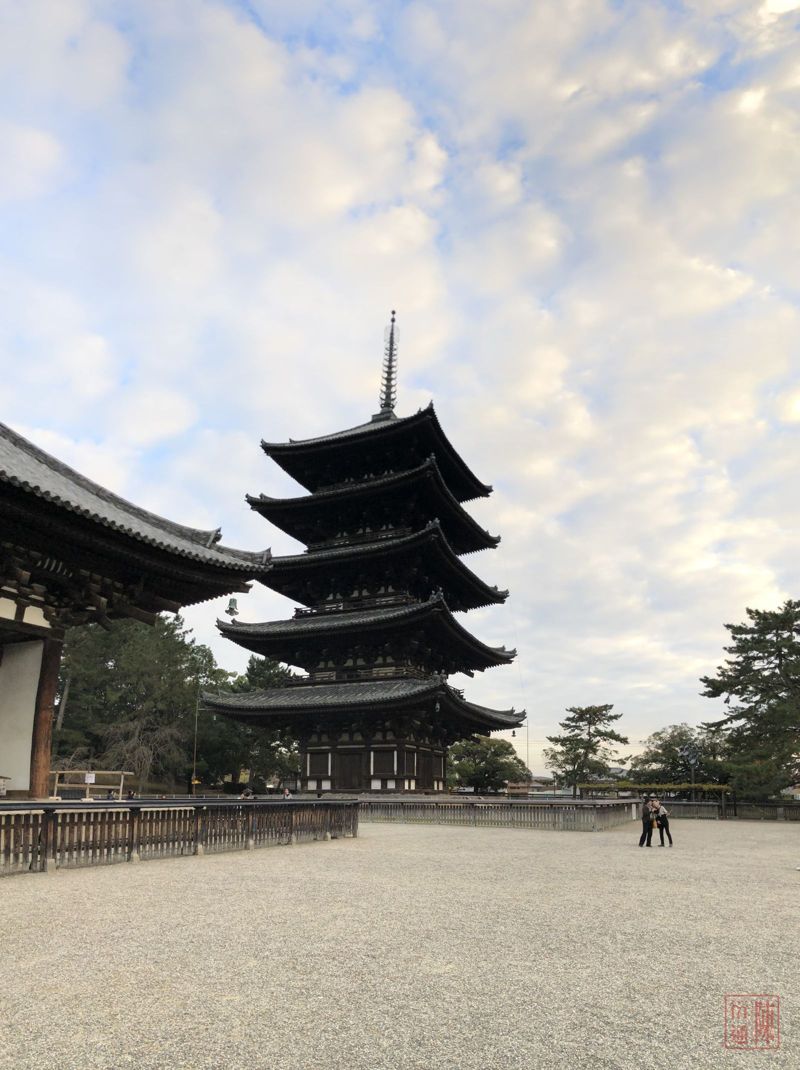
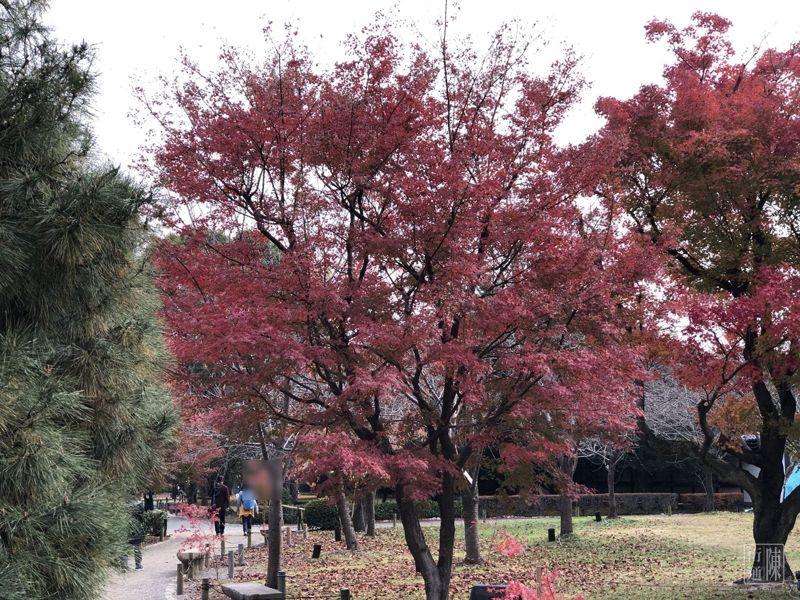
Photo: Jaimes Tan
Osaka (2 nights)
Days 10 to 11. A short train ride to Osaka. Visit Osaka Castle and its park, then eat your way through Dotonbori and Kuromon Market: takoyaki, okonomiyaki and kushikatsu. Nara, with its deer and great bronze Buddha, is an easy half-day trip.
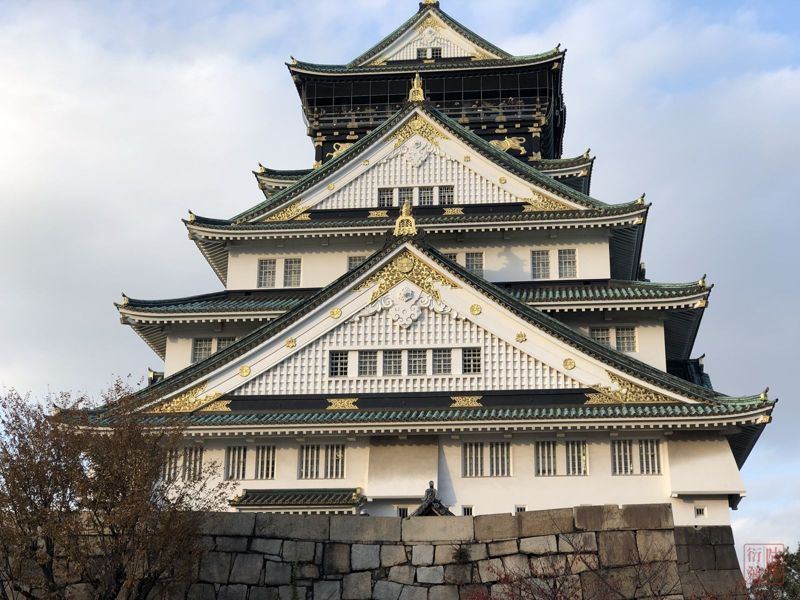
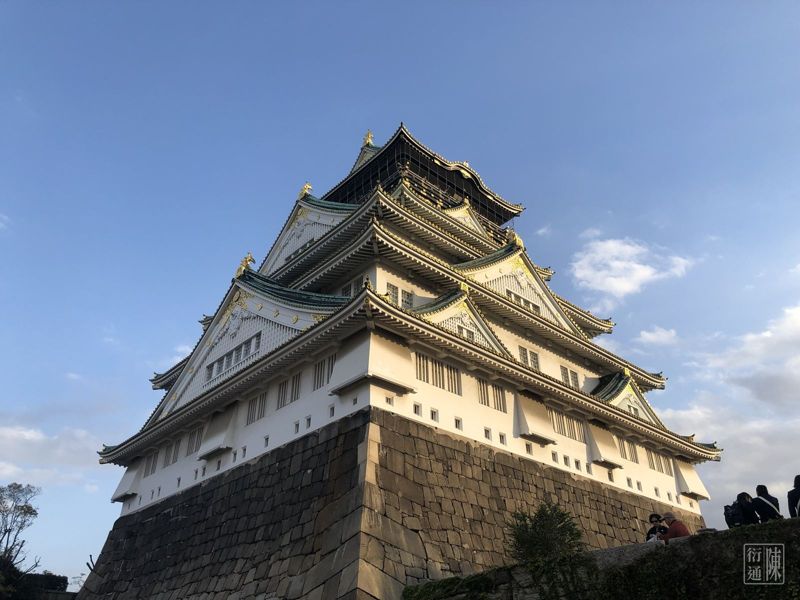
Photo: Jaimes Tan
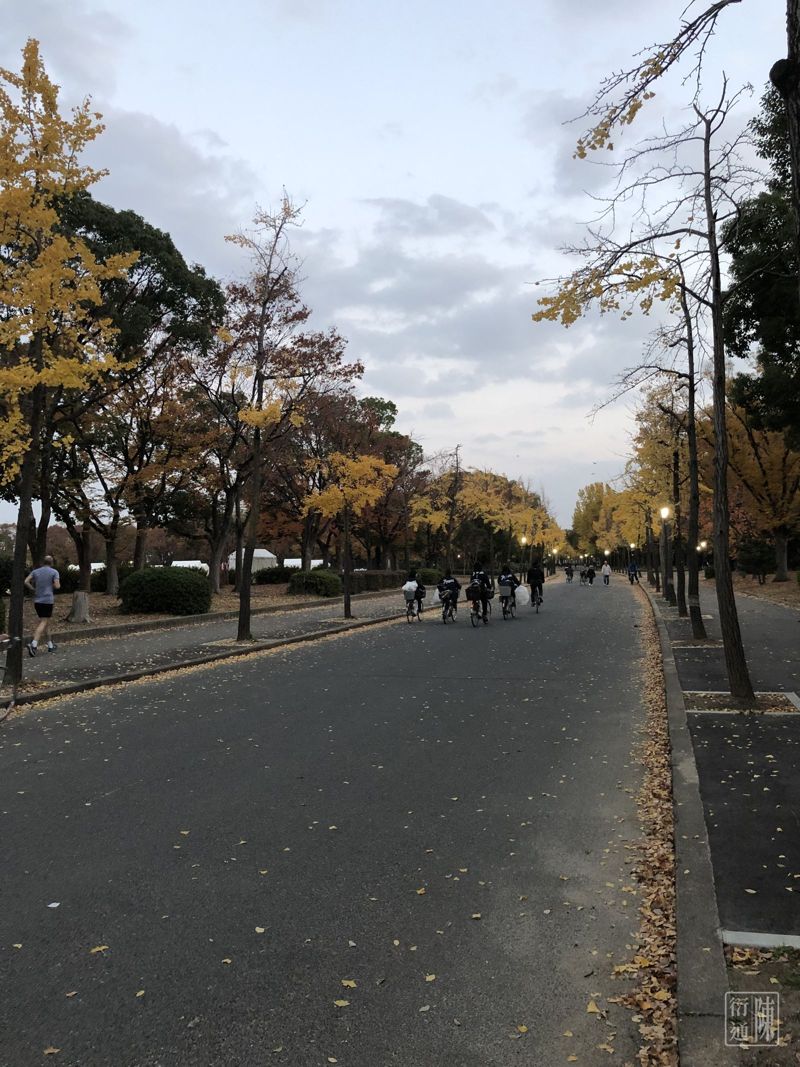
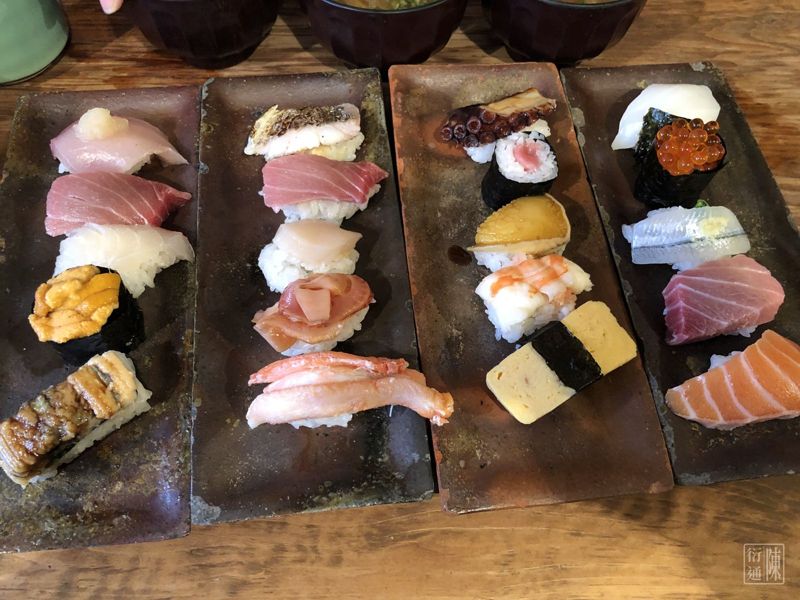
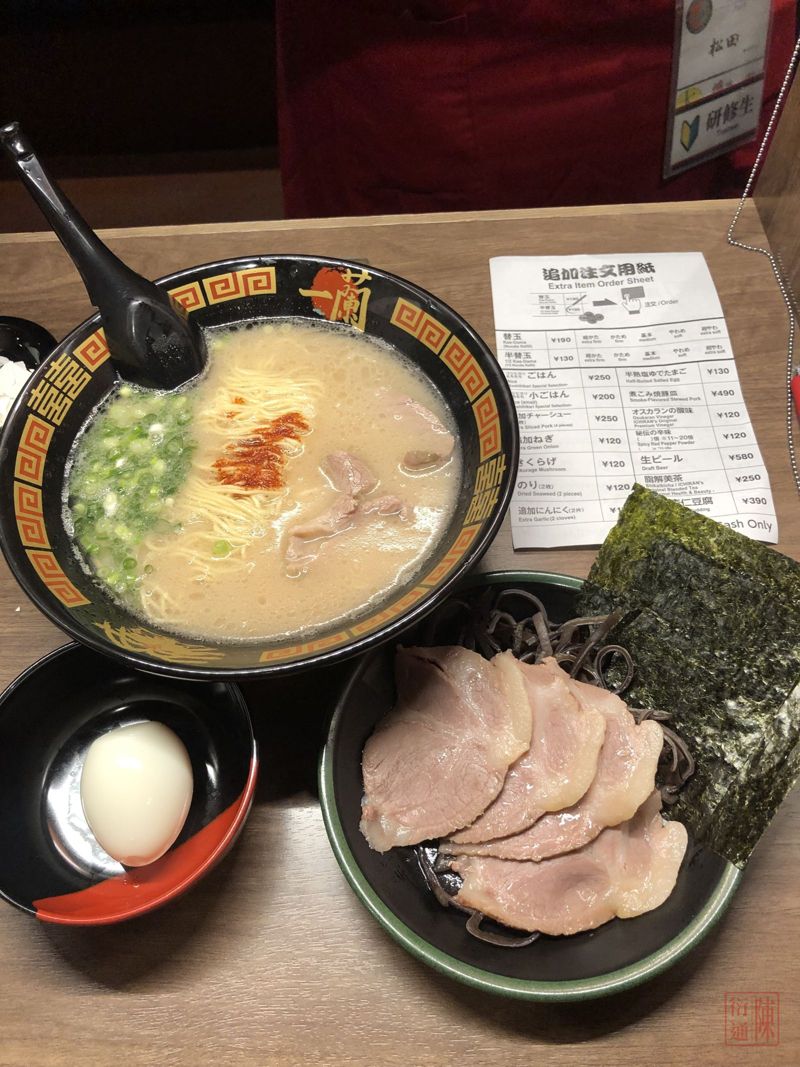
Photo: Jaimes Tan
Day 12. Fly home from Kansai Airport, about 50 minutes by the Haruka express from Tennoji.
More autumn scenery
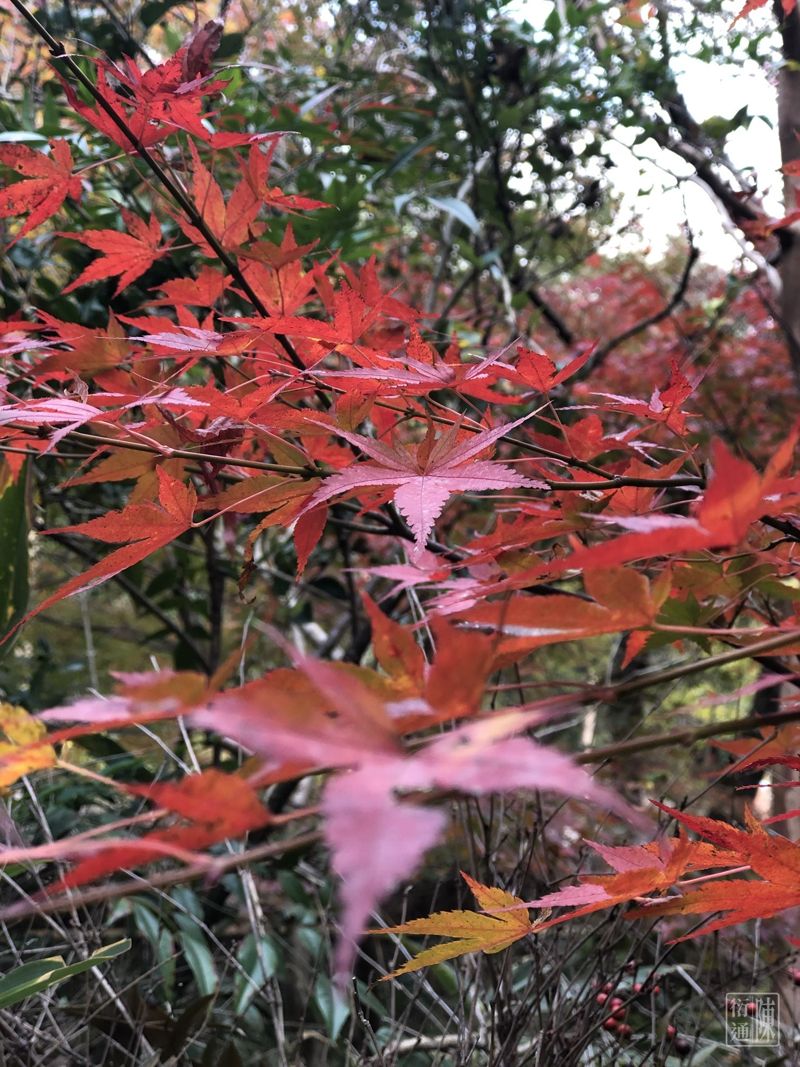
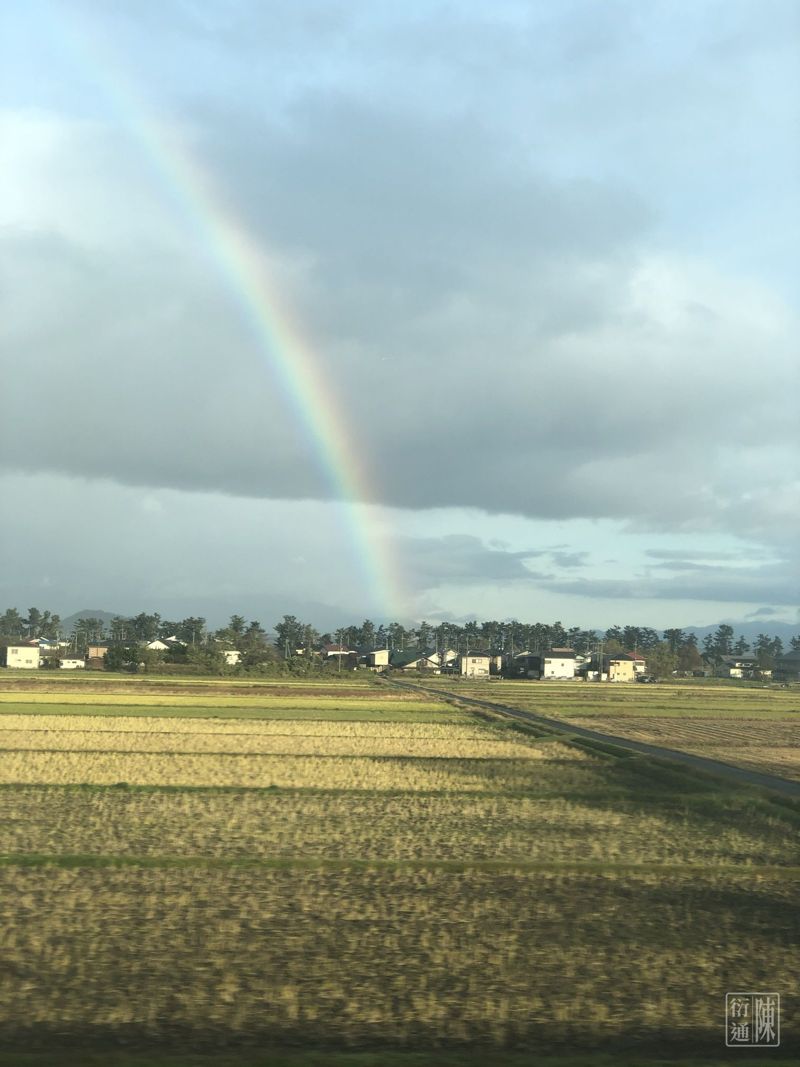
Photo: Jaimes Tan
Before you go
- Entry: Singapore passport holders can visit Japan visa-free for up to 90 days. Fill in Visit Japan Web before you fly for faster immigration and customs.
- Trains: buy a Suica or ICOCA card for city trains and buses. Reserve Shinkansen and limited express seats a few days ahead in peak season.
- Luggage: use a forwarding service (takkyubin) to send big bags ahead, especially on the Takayama legs.
- Weather: Tokyo and Kyoto are mild in November, but Takayama and Shirakawa-go can drop below freezing.
Questions people ask
When is the best time for autumn leaves in Kyoto?
Usually from mid-November to early December, peaking in the last week of November. The timing shifts each year, so check the autumn leaves forecast before you book.
How do I get to Shirakawa-go?
Nohi buses run from Takayama in about 50 minutes, and from Kanazawa in about 1 hour 15 minutes. Book seats ahead in autumn, as the buses fill up.
Do I need a JR Pass for this route?
Not necessarily. Since the 2023 price rise, the national JR Pass often costs more than buying point-to-point tickets for a route like this. Add up your train fares first, or look at regional passes.
Related
Japan travel guide for independent travellers
Entry rules for Singapore passports, the best months for cherry blossoms, autumn leaves and snow, getting around by rail, and where to stay in Japan.
Best time to visit Japan, month by month
The best months to visit Japan from Singapore for cherry blossoms, autumn leaves and snow, with the rainy season, typhoons and Japanese holidays to avoid.
Where to travel in November
Kyoto's autumn colours, the Yi Peng lantern festival in Chiang Mai and spring in Australia: where to go in November.