This page has affiliate links. If you book through them I may earn a small commission, at no extra cost to you.
Japan is the easiest big trip from Singapore for travelling on your own: safe, clean, well signposted in English, and built around trains that run to the minute. The hard part is choosing when to go, because the seasons change everything from prices to crowds.
Entry for Singapore passports
Singapore passport holders can visit Japan without a visa for up to 90 days. Fill in Visit Japan Web before you fly to get QR codes for immigration and customs, which saves time at the airport. Japan has announced a pre-travel registration system (JESTA) for visa-free visitors, planned for later this decade; it is not in force yet.
When to go
- Late March to early April: cherry blossoms in Tokyo, Kyoto and Osaka. Busiest and priciest time of year.
- May and October: mild weather and fewer crowds; the best all-round months.
- June to mid-July: rainy season everywhere except Hokkaido.
- August and September: hot, humid, and typhoon season.
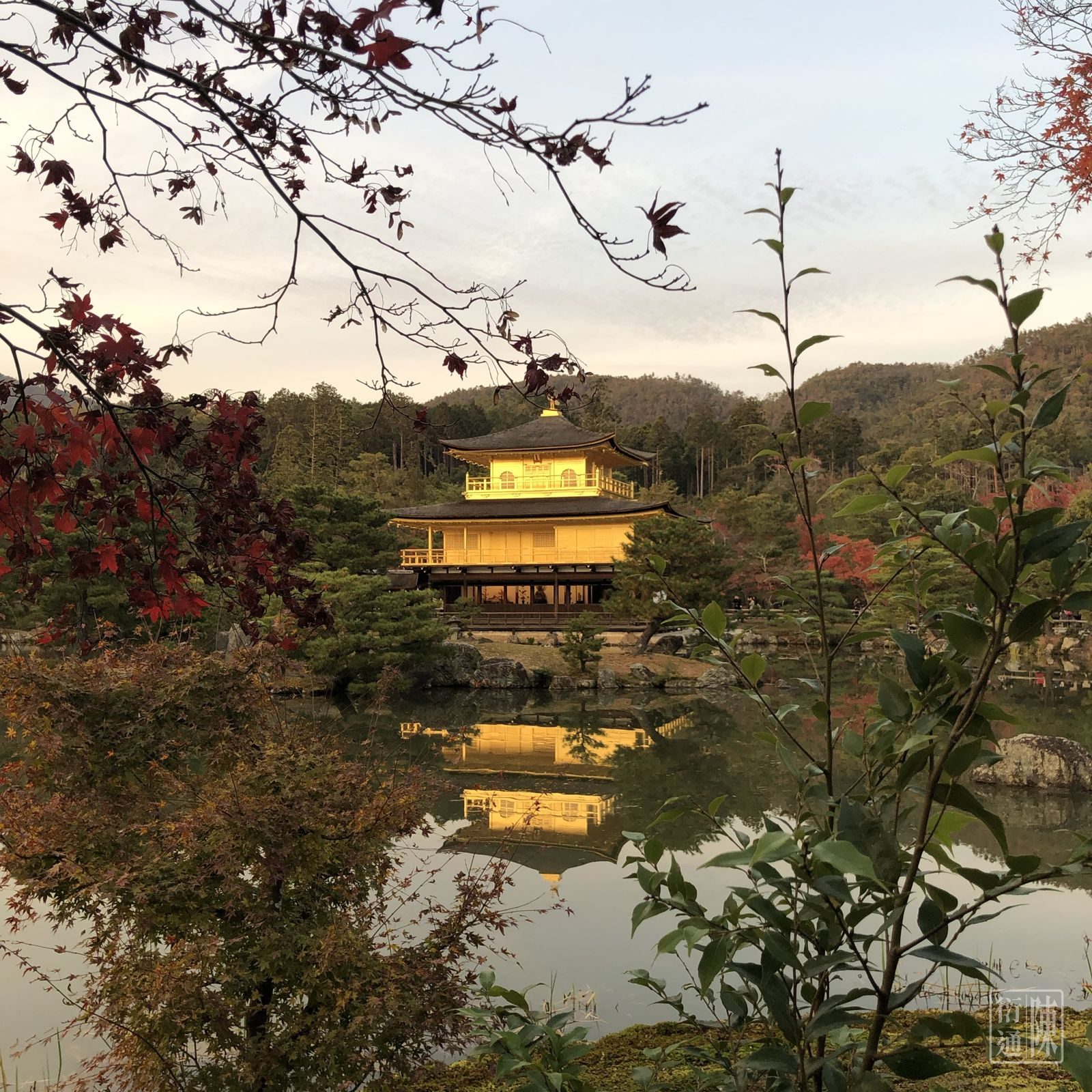
- Mid-November to early December: autumn leaves in Kyoto and Tokyo.
- December to February: snow and skiing in Hokkaido and the Japan Alps.
Read the full best time to visit Japan guide for month-by-month detail.
Getting there from Singapore
Direct flights connect Singapore with Tokyo (Haneda and Narita), Osaka (Kansai), Nagoya and Fukuoka, and with Sapporo in the ski season. For anywhere else, such as Hiroshima, Kanazawa or Takayama, fly into one of these cities and continue by train. The planner shows the combinations and travel times.
Getting around
Get an IC card (Suica in the Tokyo area, ICOCA in Kansai) on your phone or as a card; it works on almost all trains, subways and buses, and in convenience stores. Long-distance trains (shinkansen) are fast but expensive, so price individual tickets against a rail pass for your actual route before buying one.
Where to stay
- Tokyo: Shinjuku or Shibuya for nightlife and connections, Ueno or Asakusa for lower prices.
- Kyoto: around Kyoto Station for day trips, Gion and Higashiyama for the old town.
- Osaka: Namba for food and nightlife, Umeda for train connections.
Business hotels are small but spotless and good value; ryokan (traditional inns) are worth one night for the baths and dinner.
Money and phone
Cards are widely accepted in cities, but carry some cash for small restaurants, shrines and rural areas. 7-Eleven ATMs accept most foreign cards. An eSIM or roaming plan is enough for maps and translation apps.
Questions people ask
Do Singaporeans need a visa for Japan?
No. Singapore passport holders can visit Japan visa-free for short stays of up to 90 days. Japan plans a pre-travel online registration (JESTA) later this decade, so check before you fly.
Is Japan good for a first solo trip?
Yes. It is safe, trains are punctual and easy to navigate in English, and eating alone is completely normal, from ramen counters to conveyor-belt sushi.
Related
Japan in autumn: Tokyo to Kyoto and Osaka in 12 days
12 days in Japan in autumn: Tokyo, Mount Fuji from Hakone, snowy Shirakawa-go, then Kyoto's temples and Osaka Castle by train. A suggested route.
Best time to visit Japan, month by month
The best months to visit Japan from Singapore for cherry blossoms, autumn leaves and snow, with the rainy season, typhoons and Japanese holidays to avoid.
How to plan your first solo trip from Singapore
A step-by-step guide to planning your first trip alone: choosing an easy destination, budgeting, booking, staying safe and actually enjoying your own company.
No direct flight? How to reach smaller cities from Singapore
How to get to places with no direct flight from Singapore: nearby airports, one-stop connections, fly-then-train routes and the risks of self-transfer tickets.